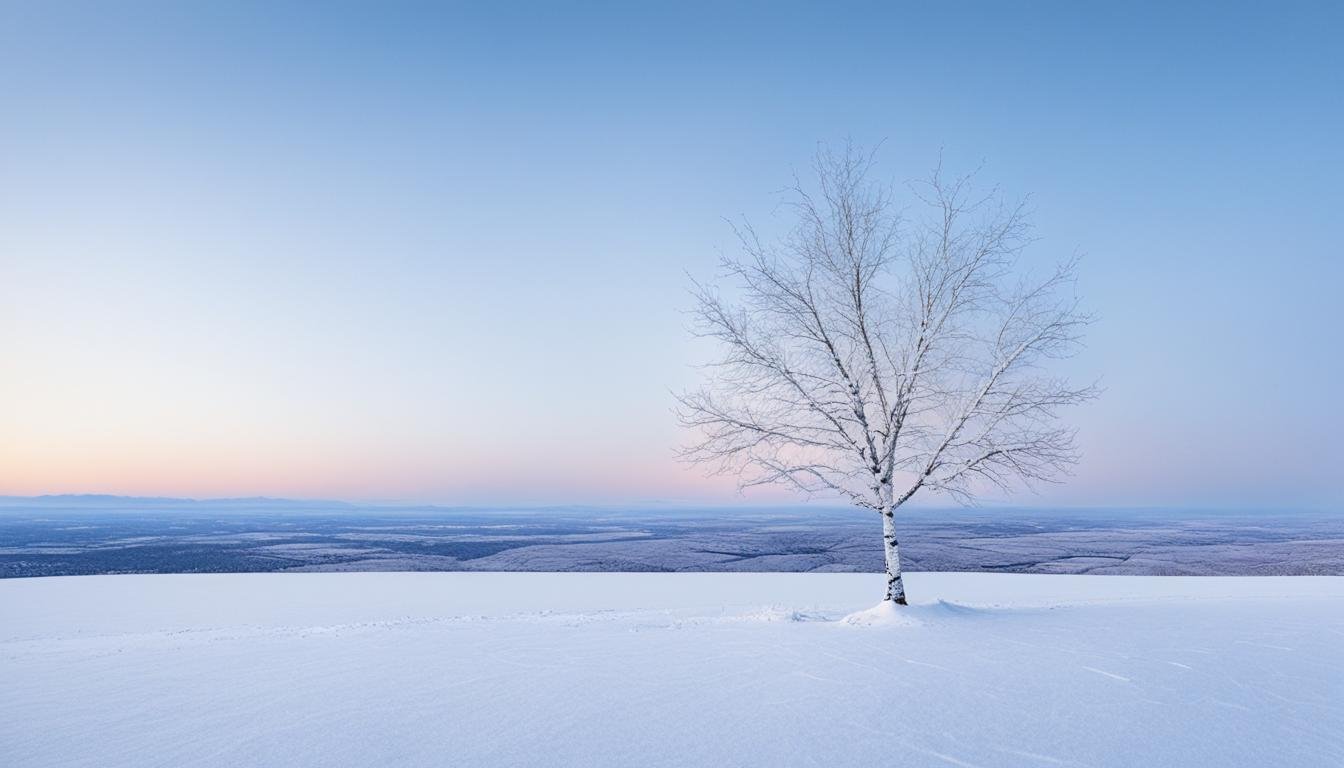
When it comes to Russia, many people wonder about its climate and whether it snows in this vast and diverse country. Well, the answer is a resounding yes! Russia experiences snowfall in many parts of the country, especially during the winter season. From the snowy landscapes of Siberia to the charming winter wonderlands of Moscow and St. Petersburg, Russia offers a picturesque winter experience.
Russia’s climate varies from region to region, with extreme cold in the Far North and milder temperatures in European and Central Russia. The winter season officially starts in December and lasts until the end of February, although snow can appear as early as October and last until April in some parts of European Russia.
Exploring Russia during the snowy season is a delight for winter enthusiasts. From skiing and snowboarding to ice-skating and festive celebrations, there are plenty of activities to enjoy amidst the snowy scenery. Just make sure to bundle up in warm clothing, including hats, coats, gloves, scarves, and boots, to fully embrace the Russian winter experience.
Key Takeaways:
- Russia does receive snowfall, especially during the winter season.
- The winter season officially starts in December and lasts until the end of February.
- Snow can appear as early as October and last until April in some parts of European Russia.
- Winter in Russia offers opportunities for skiing, ice-skating, and festive celebrations.
- It is important to dress appropriately with warm clothing to enjoy outdoor activities in the snowy landscapes.
Best time to visit Russia
When planning a visit to Russia, it’s important to consider the best time to experience the country’s diverse climates and seasons. The weather in Russia can vary greatly, with extreme temperatures and rapidly changing conditions throughout the year. From the beautiful snowy landscapes of winter to the vibrant festivities of summer, each season offers a unique charm.
Summer in Russia
Summer is the most popular time for visitors to Russia. With milder temperatures and longer daylight hours, it’s the perfect season to explore the country’s rich culture and historical landmarks. From walking through the intricate streets of Moscow to cruising along the Neva River in St. Petersburg, summer in Russia is a delight for sightseers.
Winter in Russia
For those seeking a winter wonderland experience, Russia’s winter season is a must-visit. With snowy landscapes and the opportunity to engage in thrilling activities like skiing and ice-skating, it’s a magical time to embrace the cold and immerse yourself in the beauty of Russian winter.
Spring and Autumn in Russia
Spring and autumn are transition seasons in Russia, characterized by rapidly changing weather. Spring brings the reawakening of nature, with blossoming flowers and longer daylight hours. Autumn, on the other hand, showcases the stunning fall foliage, making it an ideal time for nature enthusiasts and photographers.
When planning your trip to Russia, be sure to check the specific weather forecast for the region you’ll be visiting. Stay prepared and pack accordingly to ensure you can fully enjoy your time in this beautiful country.
In the next section, we’ll explore the unique experiences that winter in Russia has to offer.
Winter in Russia
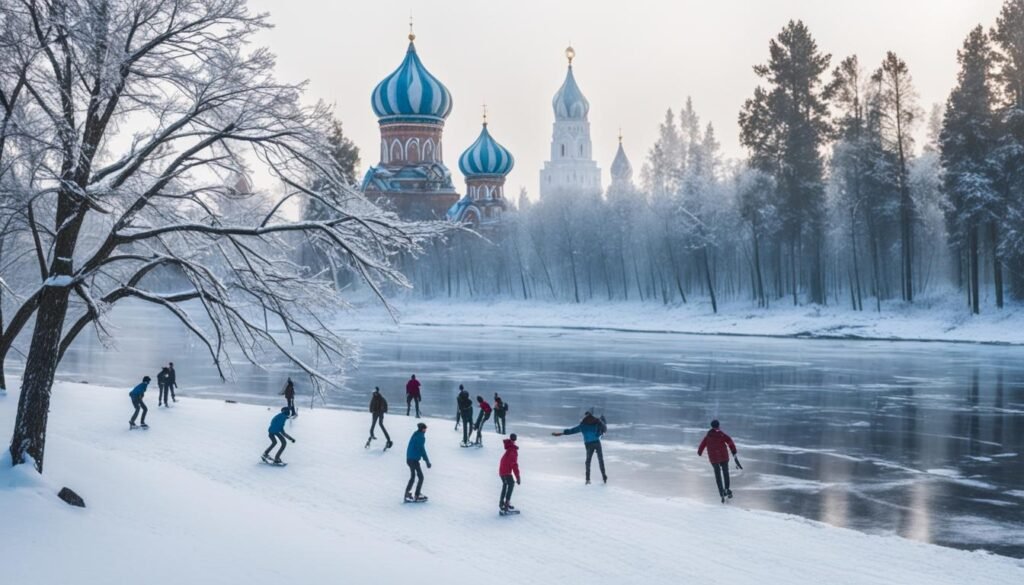
Winter in Russia is a truly enchanting and magical season. With freezing temperatures and heavy snowfall, it creates a picturesque winter wonderland that captivates locals and visitors alike. The winter season officially starts in December and lasts until the end of February, although snow can appear as early as October and last until April in some parts of European Russia. Whether you enjoy outdoor activities or cozying up by the fire, winter in Russia offers a range of experiences to suit every taste.
When it comes to winter weather in Russia, the temperature varies significantly depending on the region. Siberia, in the far east of Russia, experiences some of the coldest temperatures, often dropping well below freezing. Moscow and St. Petersburg, on the other hand, have milder winters with temperatures averaging around freezing point.
To fully enjoy the winter season in Russia, it is essential to dress appropriately in warm clothing. Prepare your winter wardrobe with essentials such as hats, coats, gloves, scarves, and boots to stay comfortable and protected from the cold weather. Layering is key to staying warm, as it helps trap heat and insulate your body.
In addition to the stunning winter landscapes, Russia offers a range of winter activities for everyone to enjoy. From skiing and snowboarding in popular ski resorts like Sochi and the Caucasus Mountains to ice-skating on frozen lakes and canals, there are endless opportunities for winter fun. Festive celebrations, such as the Russian Christmas and New Year, add an extra element of joy and excitement to the season.
In conclusion, winter in Russia is a time of breathtaking beauty, snowy adventures, and warm-hearted celebrations. Whether you decide to explore the snow-covered streets of Moscow or hit the slopes in Siberia, the Russian winter experience is one that you won’t soon forget.
Spring in Russia
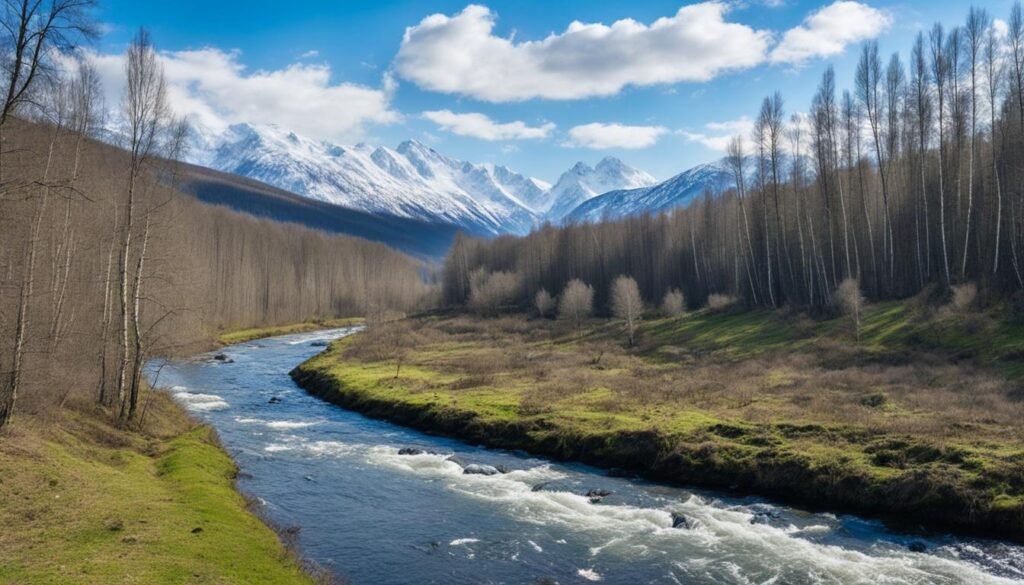
Spring in Russia officially begins in March and lasts until May. The weather during spring can be unpredictable, with melting snow, occasional rainfall, and temperature fluctuations. March and early April can still be wintery with melting snow causing slush and muddy conditions. However, as the season progresses, the weather becomes milder, and nature starts to bloom. Springtime is associated with the celebration of Maslenitsa, a week-long holiday with pancake eating and various festivities. The days grow longer and temperatures become more comfortable, creating a pleasant atmosphere for outdoor activities.
Spring Festivals in Russia
Spring in Russia is a time of celebration and cultural events. One of the most popular spring festivals is Maslenitsa, also known as Pancake Week. This week-long holiday marks the end of winter and the beginning of spring. During Maslenitsa, people indulge in delicious pancakes topped with butter, sour cream, and various fillings. Festivities include traditional Russian folk music, dancing, and games. The main attraction is the burning of a straw effigy of winter to symbolize the arrival of spring.
Another notable spring festival in Russia is the St. Petersburg White Nights Festival. This festival takes place in late May and early June when the city experiences the phenomenon of white nights—nights that are so bright they never truly become dark. The festival includes various cultural events, such as classical music concerts, ballet performances, fireworks, and open-air performances.
| Springtime Activities in Russia | Spring Festivals in Russia |
|---|---|
|
|
Summer in Russia
Summer in Russia is a delightful season filled with warm weather and ample daylight hours. From June to August, visitors can enjoy a range of outdoor activities, explore vibrant cities, and experience the rich culture of this diverse country.
The weather during summer varies across different regions of Russia. In the southern parts, temperatures can soar, creating hot and sunny days ideal for beach outings and outdoor adventures. In contrast, the northern regions offer cooler temperatures, providing a refreshing escape from the summer heat.
Two popular destinations during the summer months are Moscow and St. Petersburg. These cities come alive with a bustling atmosphere as locals and tourists take to the streets, parks, and historical sites. In Moscow, temperatures can reach above 30°C, making it perfect for exploring iconic landmarks like the Red Square, the Kremlin, and the vibrant Gorky Park.
St. Petersburg, known as the “Venice of the North,” boasts a unique charm with its canals, bridges, and stunning architecture. During the summer, the city experiences milder temperatures, creating an ideal environment for leisurely walks along the Neva River, visits to the Hermitage Museum, and boat tours through the iconic waterways.
However, summer in Russia is not without its surprises. Sudden storms with heavy rainfall can occur, so it’s advisable to carry an umbrella or raincoat when exploring the outdoors. Despite the occasional rain, these storms often pass quickly, allowing visitors to continue enjoying their summer activities.
It’s worth noting that summer is the peak tourist season in Russia, with a surge in visitors to popular attractions. Therefore, it’s recommended to plan ahead, book accommodations, and purchase tickets in advance to avoid long queues and secure the best travel experiences.
Whether you’re interested in exploring historical landmarks, immersing yourself in cultural festivals, or simply enjoying the beautiful summer weather, Russia offers a myriad of options for a memorable summer vacation.
Summer Activities in Russia:
- Visit the iconic Red Square and St. Basil’s Cathedral in Moscow
- Explore the world-renowned Hermitage Museum in St. Petersburg
- Take a boat tour along the canals of St. Petersburg
- Relax on the picturesque beaches of Sochi
- Attend the White Nights Festival in St. Petersburg, celebrating the city’s long summer days
- Experience the vibrant nightlife and music scene in Moscow
- Enjoy outdoor activities like hiking, biking, and horseback riding in the scenic landscapes of Russia
- Indulge in traditional Russian cuisine and try local delicacies
Embarking on a summer adventure in Russia allows you to witness the beauty of the country’s diverse landscapes, immerse yourself in its rich history, and create unforgettable memories.
Autumn in Russia
Autumn in Russia is a transitional season that begins in September and lasts until November. As the leaves start to change, the landscape transforms into a breathtaking display of vibrant colors. The weather during autumn can be quite variable, with cooler temperatures gradually setting in. September still offers mild weather, reminiscent of an extended summer, making it an ideal time to explore Russian cities and enjoy outdoor activities.
As the season progresses, temperatures begin to drop, creating a crisp and refreshing atmosphere. The foliage undergoes a stunning transformation, with leaves turning shades of orange, yellow, and red. The breathtaking fall foliage in Russia provides a picturesque backdrop for nature enthusiasts and photographers alike.
During autumn, it is essential to keep in mind that the weather can bring rainy days and shorter daylight hours as winter approaches. However, this should not deter visitors from experiencing the enchanting beauty of Russian autumn. It is a season of transition, offering a unique opportunity to witness nature’s change and immerse oneself in the stunning colors of fall.
Autumn festivals in Russia also add to the charm of this season. Celebrations like the Moscow International Festival “Circle of Light” and the Saint Petersburg Autumn Chamber Music Festival showcase Russia’s cultural richness and provide visitors with memorable experiences.
Key Features of Autumn in Russia:
- Vibrant fall foliage in shades of orange, yellow, and red
- Variable weather with cooler temperatures
- Opportunity to explore Russian cities before winter
- Autumn festivals showcasing Russian culture
Experience the beauty of autumn in Russia and capture unforgettable moments amidst the colorful landscapes.
Regions with Unique Climate in Russia
Russia is renowned for its unique climate, shaped by its vast size and diverse geography. Different regions of Russia experience extreme temperatures and distinctive weather patterns, offering visitors a variety of climatic experiences. Two notable regions with exceptional climates are the Russian Arctic and the Russian Far East.
Russian Arctic Climate
The Russian Arctic, encompassing regions such as the Novosibirsk Islands, Franz Josef Land, and Novaya Zemlya, showcases a climate characterized by extreme cold temperatures and long winters. In these areas, snow remains on the ground year-round, giving rise to a stunning winter wonderland that captivates travelers. The Arctic climate in these regions can be described as polar and tundra, creating a unique and awe-inspiring environment.
Russian Far East Weather
In the Russian Far East, including places like Yakutia, visitors encounter a climate that showcases extreme temperature contrasts. Winters in Yakutia can reach jaw-droppingly cold temperatures, sometimes plummeting below -50°C, making it one of the coldest inhabited regions on Earth. These frigid winters provide a rare opportunity to witness the resilience of nature in the face of harsh conditions. Summers in the Russian Far East can be hot and humid, offering a stark contrast to the bitter cold of winter.
Both the Russian Arctic and the Russian Far East provide travelers with a chance to experience truly exceptional climates and breathtaking landscapes. Whether you’re drawn to the enchanting stillness of an Arctic winter or the dramatic temperature swings of the Far East, Russia’s diverse climate offers something extraordinary for adventurous souls.
Explore the unique climate and stunning landscapes of Russia’s Arctic regions.
Conclusion
Russia’s climate is as diverse as its vast landscape, offering a range of weather conditions and experiences throughout the year. From the freezing temperatures of the Arctic regions to the milder climate in European and Central Russia, each season in Russia has its own unique charm.
During the winter months, Russia transforms into a winter wonderland with snowy landscapes and opportunities for winter sports. Whether it’s skiing down the slopes of the Caucasus Mountains or ice-skating on the frozen lakes of Moscow, the winter season in Russia is a magical time.
As spring arrives, nature awakens, and the beauty of blooming flowers and trees can be seen across the country. The longer days and milder temperatures create the perfect setting for outdoor activities and exploring the picturesque cities of Russia.
Summer brings warmth and sunshine, making it an ideal time to visit the vibrant cities and enjoy the cultural and historical attractions that Russia has to offer. With longer daylight hours, there’s more time to explore the streets of Moscow, soak in the grandeur of St. Petersburg, or relax on the beaches along the Black Sea coast.
Finally, autumn paints the landscapes of Russia with stunning colors as the leaves change to vibrant hues of orange, yellow, and red. This season offers a chance to witness the picturesque fall foliage and experience the unique charm of Russian cities during this time of transition.
With its diverse climate and breathtaking natural beauty, Russia is a destination that can be enjoyed in any season. Whether you’re seeking snowy adventures, springtime blooms, summer festivals, or autumn splendor, Russia has it all. Plan your visit and discover the wonders of Russia’s climate for yourself.
FAQ
Does it snow in Russia?
Yes, Russia experiences snowfall in many parts of the country, especially during the winter season. Winter in Russia is typically characterized by freezing temperatures and heavy snowfall.
What is the best time to visit Russia?
The best time to visit Russia depends on personal preferences and the desired experience. Summer is the most popular time for visitors due to milder temperatures and longer daylight hours. Winter offers a unique experience of snowy landscapes and winter activities. Spring and autumn are transition seasons with rapidly changing weather.
What is winter like in Russia?
Winter in Russia is typically characterized by freezing temperatures and heavy snowfall. The season officially starts in December and lasts until the end of February. The temperature can vary significantly depending on the region, with colder temperatures in Siberia and milder temperatures in Moscow and St. Petersburg. It is important to dress appropriately with warm clothing to enjoy outdoor activities and navigate the icy streets.
What is spring like in Russia?
Spring in Russia officially begins in March and lasts until May. The weather during spring can be unpredictable, with melting snow, occasional rainfall, and temperature fluctuations. As the season progresses, the weather becomes milder, and nature starts to bloom. It is a beautiful time to explore Russian cities and enjoy the transition from winter to summer.
What is summer like in Russia?
Summer in Russia is a time of warmer temperatures and longer daylight hours. It officially starts in June and lasts until August. The weather can vary across different regions of Russia, with hotter temperatures in the southern parts and cooler temperatures in the northern regions. Summers in Moscow and St. Petersburg can see temperatures reaching above 30°C, providing ideal conditions for outdoor activities, sightseeing, and enjoying the vibrant city life.
What is autumn like in Russia?
Autumn in Russia is a transitional season that begins in September and lasts until November. The weather during autumn can be variable, with cooler temperatures and changing foliage colors. September can still see mild temperatures and pleasant weather, resembling an extended summer. As the season progresses, temperatures start to drop, and the leaves change to vibrant hues of orange, yellow, and red. Autumn is a beautiful time to explore Russian cities and enjoy the fall foliage.
Are there any regions in Russia with a unique climate?
Yes, Russia is known for its vast size, which results in a diverse climate across different regions. In the Arctic regions of Russia, such as the Novosibirsk Islands, Franz Josef Land, and Novaya Zemlya, the climate is characterized by extremely cold temperatures, long winters, and snow that never melts. The Russian Far East, places like Yakutia, can experience extremely cold winters with temperatures dropping below -50°C, while summers can be hot and humid. These regions offer a unique climate and breathtaking landscapes for adventurous travelers.
What can I expect from Russia’s climate?
Russia’s climate is incredibly diverse, with extreme variations in temperature and weather conditions across its various regions. From the extreme cold of the Arctic to the more moderate temperatures in European and Central Russia, each season offers its own unique experiences. Whether you prefer snow or sunshine, Russia has something to offer throughout the year.
Leave a Reply