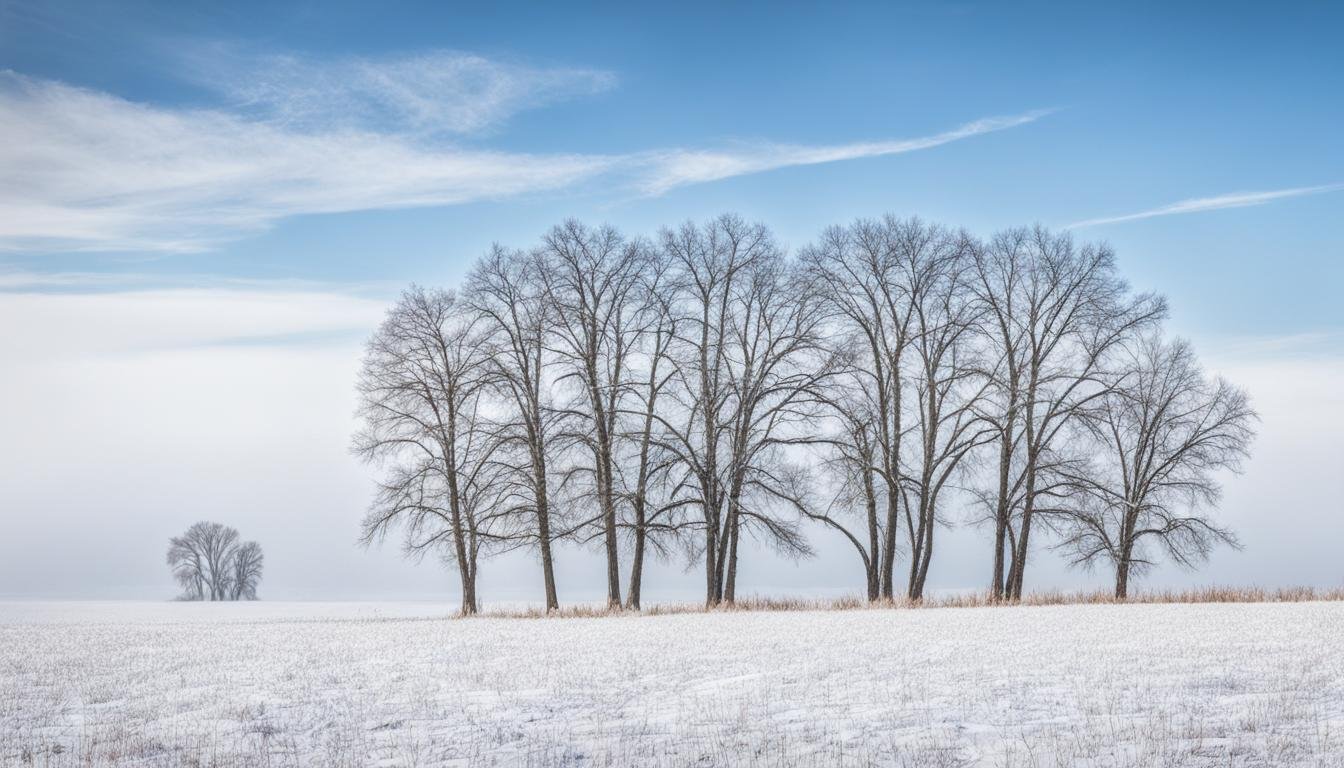
Nebraska, known for its wide plains and beautiful landscapes, is not exempt from winter’s icy touch. Despite its reputation for warm summers, the state experiences snowfall during the winter months. As the temperatures drop, the snowflakes begin to fall, transforming Nebraska into a winter wonderland.
The winter season in Nebraska typically lasts from October/November through April, with varying levels of snowfall across the state. The northern Nebraska panhandle receives the heaviest amounts of snow, while central and western Nebraska see slightly lower accumulations. In a typical winter, Nebraskans can expect an average snowfall ranging from 20 to 40 inches.
While snow-covered landscapes may appear picturesque, it’s important to note that Nebraska’s winter weather can pose challenges. Bitterly cold temperatures and strong winds accompany winter storms, leading to blowing and drifting of snow as well as dangerous wind chills.
To prepare for winter weather conditions, it is crucial for residents and travelers in Nebraska to be equipped and informed. Let’s delve deeper into the average snowfall patterns, severe winter weather, and the necessary preparations to stay safe in Nebraska’s winter wonderland.
Key Takeaways:
- Nebraska experiences snowfall during the winter.
- The average snowfall ranges from 20 to 40 inches.
- The northern panhandle receives the heaviest snowfall.
- Winter storms can bring bitterly cold temperatures and strong winds.
- Being prepared is crucial to navigate winter conditions safely.
Average Snowfall in Nebraska
When it comes to snowfall, Nebraska showcases a diverse range of accumulation across different regions. The average seasonal snowfall in eastern Nebraska typically ranges from 20 to 40 inches. However, the northern panhandle stands out with the heaviest amounts of snow. Cities like Lincoln and Omaha experience an average snowfall of approximately 25 to 30 inches each winter.
In central and western Nebraska, the snowfall amounts are slightly lower, ranging from 15 to 30 inches. Notable locations such as Grand Island, Hastings, and North Platte usually receive around 25 inches of snow annually. It’s important to note that these values represent averages and there can be significant variations from year to year.
To provide a clearer overview, below is a table summarizing the average snowfall in various cities across Nebraska:
| City | Average Snowfall (in inches) |
|---|---|
| Lincoln | 25-30 |
| Omaha | 25-30 |
| Grand Island | 25 |
| Hastings | 25 |
| North Platte | 25 |
It’s worth noting that these figures may vary from season to season, as snowfall patterns are influenced by a variety of factors. However, they provide a useful benchmark for understanding the typical snowfall amounts in different areas of Nebraska.
Now that we have explored the average snowfall in Nebraska, let’s delve into the severe winter weather that can occur in the state.
Severe Winter Weather in Nebraska
Nebraska is no stranger to severe winter weather, experiencing a range of intense weather conditions during the winter months. From heavy snowstorms to blizzards and freezing rain, residents in Nebraska need to be prepared for these harsh winter conditions to ensure their safety and well-being.
Snowstorms in Nebraska
Nebraska snowstorms are a common occurrence during the winter months, often bringing heavy snowfall and strong winds. These snowstorms can significantly impact daily activities and travel, causing road closures and hazardous driving conditions. It is essential for residents to stay informed about weather forecasts and follow any advisories or warnings issued by local authorities.
Blizzards in Nebraska
Blizzards are another severe winter weather phenomenon that Nebraska experiences. Characterized by low visibility, high winds, and blowing snow, blizzards can make travel extremely difficult and sometimes even impossible. It is crucial for individuals to stay indoors and avoid unnecessary travel during blizzard conditions to ensure their safety.
Freezing Rain in Nebraska
In addition to snowstorms and blizzards, freezing rain is also a concern during Nebraska winters, primarily in the eastern and central parts of the state. Freezing rain occurs when raindrops freeze upon contact with surfaces, creating a layer of ice. This can lead to hazardous road conditions, tree damage, and power outages. It is important to exercise caution and take necessary precautions, such as avoiding unnecessary travel and being prepared for potential power outages.
Being aware of the various severe winter weather conditions that can occur in Nebraska is crucial for residents to stay safe and prepared. By staying informed, following weather updates, and taking necessary precautions, individuals can minimize the impact of winter storms and ensure their well-being during the colder months.
| Winter Weather Phenomenon | Description |
|---|---|
| Snowstorms | Brings heavy snowfall and strong winds |
| Blizzards | Low visibility, high winds, and blowing snow |
| Freezing Rain | Raindrops freeze upon contact with surfaces, creating a layer of ice |
Winter Weather Preparedness in Nebraska
When it comes to dealing with winter weather in Nebraska, preparation is key. The National Weather Service offices in Nebraska organize Winter Weather Awareness Days every November to educate and encourage residents to be prepared for winter storms. As someone who has experienced Nebraska winters firsthand, I understand the importance of being ready for the challenges that come with snow, ice, and freezing temperatures.
To ensure your safety and the safety of your loved ones, it’s crucial to familiarize yourself with the essential safety rules and guidelines for winter weather. Here are a few tips to help you stay prepared:
- Create a Winter Emergency Kit: Put together an emergency kit containing essential supplies to sustain you and your family during severe winter weather. This kit should include items such as non-perishable food, water, blankets, flashlights, batteries, a first aid kit, and any necessary medications.
- Stay Informed: Keep yourself updated on the latest weather conditions and forecasts for your area. Pay attention to winter storm warnings, which are often broadcasted through various channels such as NOAA Weather Radio, local television stations, and radio stations. This information will help you make informed decisions about travel and outdoor activities.
- Follow Local Authority Instructions: In the event of severe winter weather, local authorities may issue advisories or warnings. It’s important to heed these instructions and take appropriate action to ensure your safety. This may include staying off the roads, seeking shelter in designated areas, or adhering to evacuation orders.
- Prepare Your Home and Vehicles: Take steps to winterize your home and vehicles before winter arrives. Insulate your pipes to prevent freezing and consider installing storm windows and weatherstripping to reduce heat loss. For your vehicles, make sure they are equipped with winter tires, check the battery and antifreeze levels, and carry a winter survival kit in your car, including a shovel, ice scraper, and emergency supplies.
By following these winter weather preparedness tips, you can minimize the impact of snowstorms and ensure your safety during Nebraska’s winter season. Remember, being proactive and informed is key to staying safe and comfortable during the cold months.
Conclusion
Nebraska experiences a snowy winter season, with an average snowfall ranging from 20 to 40 inches. The northern panhandle tends to receive the heaviest amounts of snow. Winter storms, including snowstorms and blizzards, can have a significant impact on travel and daily life in Nebraska. It is essential for both residents and travelers to be prepared for winter weather conditions and follow safety guidelines provided by the National Weather Service and local authorities.
By staying informed about the weather forecast and taking necessary precautions, individuals can minimize the effects of winter storms and ensure their safety. It is advisable to have an emergency kit stocked with essential supplies, such as food, water, blankets, and flashlights, in case of power outages or inaccessible roads. Additionally, staying updated on weather conditions and following any advisories or warnings issued by local authorities are crucial steps in navigating the Nebraska snow season.
Nebraska may be known for its snowy winters, but with proper preparedness and caution, residents and travelers can safely navigate the winter months and make the most of the beautiful snow in Nebraska.
FAQ
Does it snow in Nebraska?
Yes, Nebraska does experience snowfall during the winter months.
What is the average snowfall in Nebraska?
The average seasonal snowfall in Nebraska ranges from 20 to 40 inches.
Where does Nebraska receive the heaviest snowfall?
The heaviest snowfall amounts in Nebraska typically occur in the northern panhandle.
What types of severe winter weather can Nebraska experience?
Nebraska can experience snowstorms, blizzards, and freezing rain during the winter months.
How can I prepare for winter weather in Nebraska?
It is recommended to stay informed about weather forecasts, have an emergency kit with essential supplies, and follow safety guidelines provided by local authorities.
When should I be prepared for winter storms in Nebraska?
Winter storms in Nebraska can occur from October/November through April, so it is important to be prepared during the entire winter season.
Leave a Reply