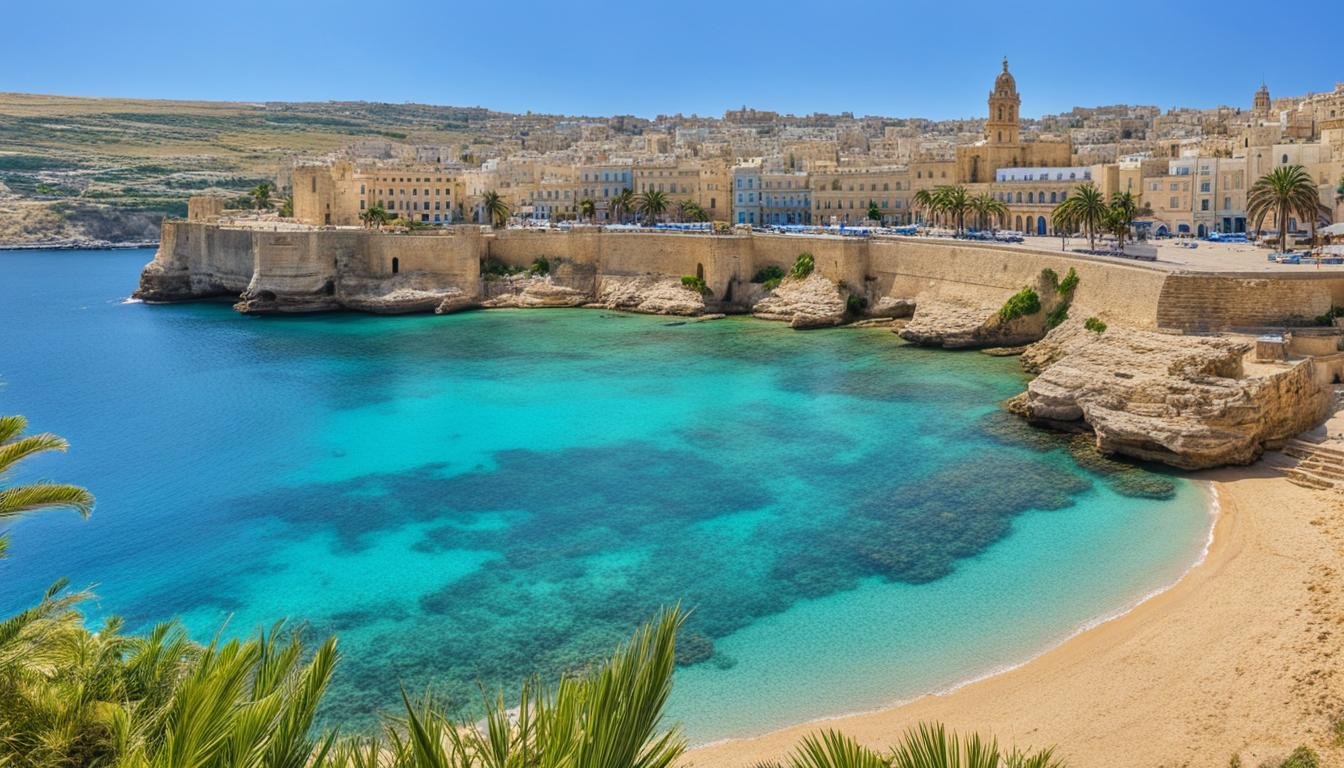
Hi there! Today, I want to answer one common question that many travelers have: Does it snow in Malta? As someone who has experienced the beauty of Malta firsthand, let me share some insights into the weather and climate of this stunning Mediterranean island.
When it comes to snowfall, Malta is known for its mild winters and hot summers. Snow is a rare phenomenon in this part of the world, largely due to Malta’s geographic location and the influence of the Mediterranean Sea. In fact, in the past 200 years, there have only been seven recorded instances of snowfall in Malta, and none of them resulted in any significant accumulation. The last recorded snowfall was in January 1962 when a light dusting covered the island.
Despite the scarcity of snow, Malta does experience rainfall during the winter months, providing a refreshing break from the summer heat. So, if you’re planning a visit to Malta, you won’t need to worry about packing your winter gear. The weather here is perfect for exploring the picturesque towns, lounging on the beautiful beaches, and indulging in the rich culture that this island has to offer.
Key Takeaways:
- Malta rarely experiences snowfall, with only seven recorded instances in the past 200 years.
- The mild winters and hot summers of Malta are influenced by its location in the Mediterranean Sea.
- Despite the lack of snow, Malta does receive rainfall during the winter months.
- The weather in Malta is perfect for outdoor activities and exploring the rich culture of the island.
- Winter is a quieter time to visit Malta, with milder temperatures and fewer crowds.
Historical Snowfall in Malta
In the past, snow in Malta has been an extraordinary and rare phenomenon. Let’s take a look at the historical records of snowfall occurrences in this Mediterranean country.
- January 1858: The first recorded snowfall in Malta.
- March 1877: Snowfall was observed for the second time in Malta’s history.
- February 1895: Another instance of snowfall in Malta.
- January 1905: Snowfall caused by a Siberian cold wind sweeping over the island.
- March 1949: Snowfall was recorded in the interior regions of Malta.
The most significant snowfall in Malta occurred on January 31, 1962. On this day, 2-3 centimeters of snow covered the entire island, creating a magical winter wonderland. It was a rare and memorable sight that the people of Malta still talk about to this day.
While not officially recorded, there have been anecdotal reports of snowflakes being spotted on December 31, 2014. Although these sightings were not confirmed, they serve as a reminder of the exceptional nature of snowfall in Malta.
Snowfall in Malta: A Rarity
These historical instances of snowfall highlight just how uncommon it is for Malta to experience snow. The temperate-mediterranean climate, influenced by the Mediterranean Sea, typically keeps temperatures mild throughout the year. Snowflakes in Malta are a rare occurrence, making each sighting a special and cherished event.
Why doesn’t it Snow in Malta?
The climate of Malta is primarily influenced by its geographic position in the heart of the Mediterranean Sea. Malta has a temperate-mediterranean climate with hot, dry summers and mild, wet winters. The moderating influence of the Mediterranean Sea prevents extreme cold temperatures, making snowfall a rare occurrence in Malta. Winter temperatures rarely fall below 10°C (50°F) in Malta, contributing to its reputation as a popular winter destination.
In contrast to the cold winters experienced in many parts of the world, Malta’s mild winter climate is characterized by comfortable temperatures and occasional rainfall. The presence of the Mediterranean Sea creates a maritime climate that keeps temperatures relatively warm throughout the year, reducing the chances of snowfall.
The temperate nature of Malta’s climate makes it an attractive destination for visitors seeking a winter escape. With average temperatures ranging from 10°C to 15°C (50°F to 59°F) during the winter months, Malta offers pleasant weather for outdoor activities and exploration.
While snow is a rare occurrence in Malta, the island’s climate provides a favorable environment for other outdoor activities during the winter season. Visitors can enjoy hiking, biking, and exploring the rich history and cultural heritage of Malta without the inconvenience of snow and extreme cold.
In summary, the unique climate of Malta, influenced by its location in the Mediterranean Sea, contributes to the rarity of snowfall in the country. The temperate-mediterranean climate, characterized by mild winters and hot summers, offers visitors an enjoyable experience throughout the year, with or without snow.
Snow in the Countries around Malta
While snowfall is a rare occurrence in Malta, its neighboring countries also experience limited snowfall, particularly in coastal areas. Let’s take a look at the snow conditions in some of these countries:
Italy
In Italy, winter snowfall is common in the northern and central regions, including popular ski resorts in the Alps and Apennines. Cities like Rome occasionally see snowfall, adding a touch of magic to the historic streets.
Sicily
Sicily, the Italian island closest to Malta, experiences snow mainly in its interior and higher grounds. While coastal areas remain snow-free, the island’s mountainous areas provide opportunities for snow enthusiasts.
Greece
Greece sees occasional snowfall in its northern regions and mountainous areas, where the rugged landscape creates ideal conditions for winter sports. However, the islands and southern regions typically have milder winters with rare snowfall.
Tunisia
Close to Malta in North Africa, Tunisia experiences snow mainly in the Atlas Mountains. This scenic location gives visitors a chance to enjoy the beauty of snow-capped peaks while exploring the region.
While Malta itself may not be the best destination for snow lovers, these neighboring countries offer diverse winter experiences for those who seek snowy adventures.
Climate and Weather in Malta
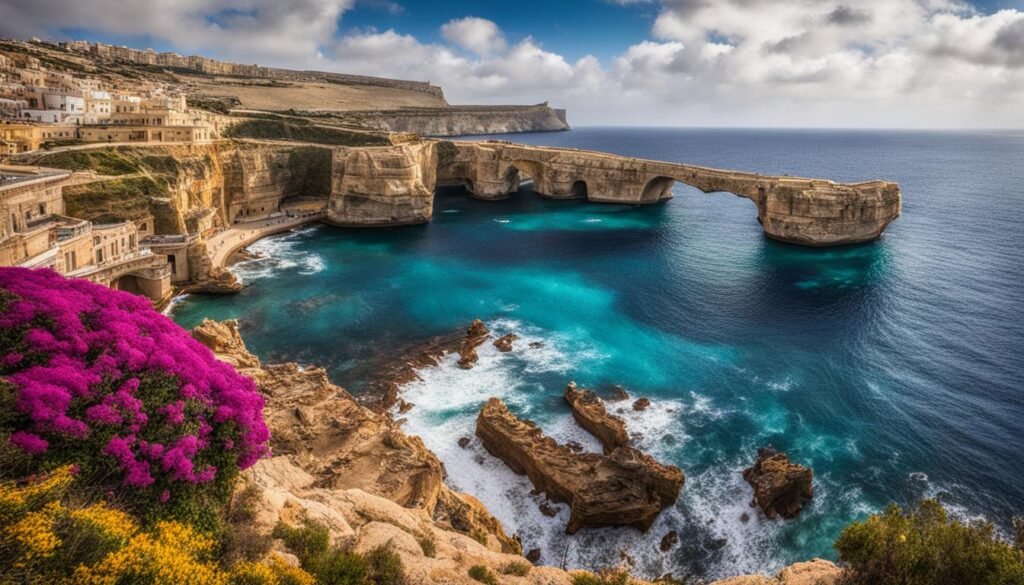
Malta boasts a delightful Mediterranean climate, characterized by hot, dry summers and mild, wet winters. The average annual temperature in Malta hovers around a comfortable 20°C (68°F). Winters in Malta are relatively mild, with temperatures rarely dropping below 10°C (50°F), while summers can sizzle with temperatures exceeding 30°C (86°F).
Rainfall in Malta is more frequent during the winter months, typically in the form of brief, heavy showers rather than continuous drizzle. The presence of the Mediterranean Sea plays a significant role in Malta’s weather patterns, with its moderating effect on temperatures. This, in turn, contributes to the rarity of snowfall in Malta.
The Mediterranean Sea’s Influence
The Mediterranean Sea surrounding Malta has a profound impact on the country’s climate. The sea acts as a buffer, preventing extreme cold temperatures and creating a relatively temperate environment. The sea’s warmth is retained during the winter months, ensuring that temperatures remain mild throughout the island.
Precipitation and Rainfall
While snow is a rare occurrence in Malta, rainfall is more common, especially during the winter months. However, the rainfall is typically intense but brief, rather than prolonged drizzles. The winter precipitation helps sustain Malta’s lush vegetation and contributes to its vibrant landscapes.
Temperature Comparison
To provide a clear perspective of Malta’s climate, here’s a comparison of average temperatures during different seasons:
| Season | Average Temperature |
|---|---|
| Winter | 10°C – 15°C (50°F – 59°F) |
| Spring | 15°C – 20°C (59°F – 68°F) |
| Summer | 25°C – 30°C (77°F – 86°F) |
| Autumn | 20°C – 25°C (68°F – 77°F) |
These temperature ranges give an overview of the pleasant and mild climate that visitors to Malta can expect year-round.
With Malta’s desirable climate, visitors can enjoy various outdoor activities, explore historical sites, and relax on beautiful beaches throughout the year.
Best Time to Visit Malta
When planning a trip to Malta, it’s essential to consider the best time to visit based on your preferences and desired activities. Whether you’re looking for warm beach weather, outdoor adventures, or cultural exploration, each season in Malta offers unique experiences.
High Season: Mid-June to September
If you love soaking up the sun and enjoy vibrant beach scenes, the high season from mid-June to September is perfect for you. During this period, Malta experiences warm temperatures and bustling beaches. It’s a great time for water sports, beach parties, and enjoying the famous Mediterranean coastline. However, keep in mind that popular tourist attractions can be crowded during this time.
Spring: April to May
Spring in Malta, from April to May, offers milder weather and fewer crowds compared to the high season. It’s an ideal time for outdoor activities like hiking, biking, and exploring the island’s natural beauty. The countryside comes alive with blooming flowers, and the pleasant temperatures make it perfect for strolling through charming villages and historic sites.
Autumn: September to October
Autumn is another fantastic time to visit Malta, from September to October. The weather remains mild, and the tourist crowds begin to dissipate, giving you more space to enjoy the island’s attractions. It’s an ideal season for cultural exploration, as you can visit historical sites, museums, and attend local festivals with a more relaxed atmosphere. Outdoor activities like diving and snorkeling are also great options during this time.
Winter: November to March
Winter is a quieter time to visit Malta, with mild temperatures and a slower pace. From November to March, you can explore the island’s historical sites without large crowds and fully immerse yourself in its rich cultural heritage. While the weather may not be suitable for sunbathing, it is perfect for sightseeing and indulging in delicious Maltese cuisine. December is the rainiest month, but temperatures remain mild, making it a comfortable time to roam the streets and enjoy cozy cafes.
Overall, the best time to visit Malta depends on your preferences and the experiences you seek. Whether you choose to visit during the high season for beach fun, or the quieter months for cultural exploration, Malta’s pleasant climate and varied attractions make it a fantastic year-round destination.
Conclusion
Snow in Malta is a rare phenomenon, occurring only seven times in the past 200 years. The temperate-mediterranean climate, influenced by Malta’s geographic location and the Mediterranean Sea, keeps temperatures relatively warm throughout the year, making significant snowfall unlikely. While Malta does experience rainfall during the winter months, the chances of witnessing snow are minimal.
However, despite the absence of snow, Malta offers a delightful climate all year round. With hot summers and mild winters, it is the perfect destination for outdoor activities and cultural exploration. Visitors can enjoy the beautiful beaches, historical sites, and vibrant local culture without the need to worry about snowfall disrupting their plans.
Whether you’re seeking a beach vacation or want to delve into Malta’s rich history, this Mediterranean gem provides a pleasant climate and a wide range of activities to suit every traveler’s taste. So, pack your bags and embark on a memorable journey of exploration and relaxation in Malta’s enchanting atmosphere.
FAQ
Does it snow in Malta?
Snow is almost unheard of in Malta due to its geographic location and the influence of the Mediterranean Sea. In the past 200 years, there have only been seven recorded instances of snowfall in Malta, all of which were light and without accumulation.
What is the historical snowfall in Malta?
The first recorded snowfall in Malta was in January 1858, followed by instances in March 1877, February 1895, January 1905, March 1949, and the most significant snowfall in Malta’s history on January 31, 1962. The most recent recorded snowflakes were spotted on December 31, 2014, although this event was not officially recorded.
Why doesn’t it snow in Malta?
The temperate-mediterranean climate of Malta, influenced by its geographic location and the Mediterranean Sea, keeps temperatures relatively warm throughout the year and prevents significant snowfall. The moderating effect of the sea avoids extreme cold temperatures, making snow a very rare occurrence in Malta.
Is there snow in the countries around Malta?
Malta’s neighboring countries, such as Italy and Greece, also experience limited snowfall, especially in their northern and mountainous regions. Sicily, the Italian island closest to Malta, experiences snow mainly in its interior and higher grounds, while Greece sees occasional snowfall in northern regions and mountainous areas. Tunisia, located close to Malta in North Africa, experiences snow in the Atlas Mountains.
What is the climate and weather like in Malta?
Malta has a temperate-mediterranean climate with hot, dry summers and mild, wet winters. The temperatures in Malta range from around 20°C (68°F) on average annually. Winter temperatures rarely drop below 10°C (50°F) and summer temperatures can exceed 30°C (86°F). Rainfall in Malta is more frequent during the winter months, but it is typically in the form of brief, heavy showers rather than continuous drizzle.
When is the best time to visit Malta?
The best time to visit Malta depends on personal preferences and the activities planned. The high season is from mid-June to September, with warm temperatures and crowded beaches. Spring (April-May) and autumn (September-October) are pleasant seasons with milder weather and fewer crowds, making them ideal for outdoor activities and cultural exploration. Winter (November-March) is a quieter time to visit Malta, with mild temperatures and the opportunity to explore historical sites without large crowds. December is the rainiest month in Malta, but temperatures remain mild.
Conclusion
Snowfall in Malta is extremely rare, with only seven recorded instances in the past 200 years. The temperate-mediterranean climate of Malta, influenced by its geographic location and the Mediterranean Sea, keeps temperatures relatively warm throughout the year and prevents significant snowfall. While Malta does experience rainfall during the winter months, the chances of experiencing snow are very low. However, Malta offers a pleasant climate and a wide range of activities all year round, making it a great destination for cultural exploration and outdoor adventures.
Leave a Reply