Welcome to my blog post exploring the weather and climate of Samoa! If you’re planning a visit to this beautiful Pacific island nation, you may be wondering about the local weather conditions. In this article, we’ll delve into the details of Samoa’s climate, including whether snowfall is a possibility. Let’s dive in!
Samoa is known for its picturesque landscapes, tropical rainforests, and pristine beaches. Located in the South Pacific Ocean, the country boasts a tropical climate, characterized by warm and sunny weather throughout the year. While snow is not a part of Samoa’s weather patterns, the country offers its visitors an abundance of natural beauty and a pleasant climate to enjoy.
Key Takeaways:
- Samoa has a tropical climate with warm and sunny weather.
- The average daily high temperatures range from 83°F to 89°F.
- The winter season in Samoa is characterized by average high temperatures of around 86°F.
- Although snow does not occur in Samoa due to its tropical location, the temperatures remain warm and comfortable.
- Exploring Samoa’s natural beauty is a must, with its stunning landscapes and pristine beaches.
Average Temperature in Samoa
When it comes to the average temperature in Samoa, visitors can expect consistently warm weather throughout the year. Whether you’re planning a trip during the winter or summer months, Samoa’s tropical climate ensures comfortable temperatures that are perfect for enjoying the outdoors.
The hottest period in Samoa is from December to April, with average high temperatures reaching around 86°F. This is the perfect time to soak up the sun on the stunning beaches and explore the vibrant coral reefs that surround the islands.
On the other hand, if you prefer slightly cooler temperatures, the period from June to September is ideal. During these months, average high temperatures range from 84-86°F, offering a pleasant climate for hiking, exploring the lush rainforests, and visiting the breathtaking waterfalls of Samoa.
Throughout the year, the average low temperature in Samoa hovers around 74°F. This means that even during the cooler months, you can still enjoy warm evenings and comfortable nights under the starry skies.
So whether you’re visiting in the summer or winter, Samoa’s average temperature promises a delightful and inviting atmosphere for your vacation.
Temperature Overview:
| Period | Average High Temperature | Average Low Temperature |
|---|---|---|
| December – April | 86°F | 74°F |
| June – September | 84-86°F | 74°F |
Sea Temperature in Samoa

When it comes to enjoying the pristine waters of Samoa, the sea temperature is a crucial aspect to consider. Fortunately, the sea temperature in Samoa remains warm and inviting for swimming all year round. Whether you’re visiting during the wet season or the dry season, you can expect the waters of Samoa to provide great opportunities for swimming and water activities.
On average, the sea temperature in Samoa is around 83.9°F throughout the year, ensuring a comfortable and enjoyable experience for beachgoers. During the wet season, from November to May, the sea temperature averages around 85°F, perfect for taking a refreshing dip to escape the tropical heat.
As the dry season rolls in from June to October, the sea temperature in Samoa averages around 82°F. It’s still warm enough to go for a swim and explore the vibrant marine life that thrives in the crystal-clear waters of the Pacific Ocean. Whether you’re snorkeling, diving, or simply basking in the sunshine on Samoa’s beautiful beaches, the sea temperature will provide an ideal environment for your aquatic adventures.
| Month | Sea Temperature (°F) |
|---|---|
| January | 84 |
| February | 84 |
| March | 84 |
| April | 84 |
| May | 83 |
| June | 82 |
| July | 81 |
| August | 81 |
| September | 82 |
| October | 83 |
| November | 84 |
| December | 84 |
Rainfall in Samoa
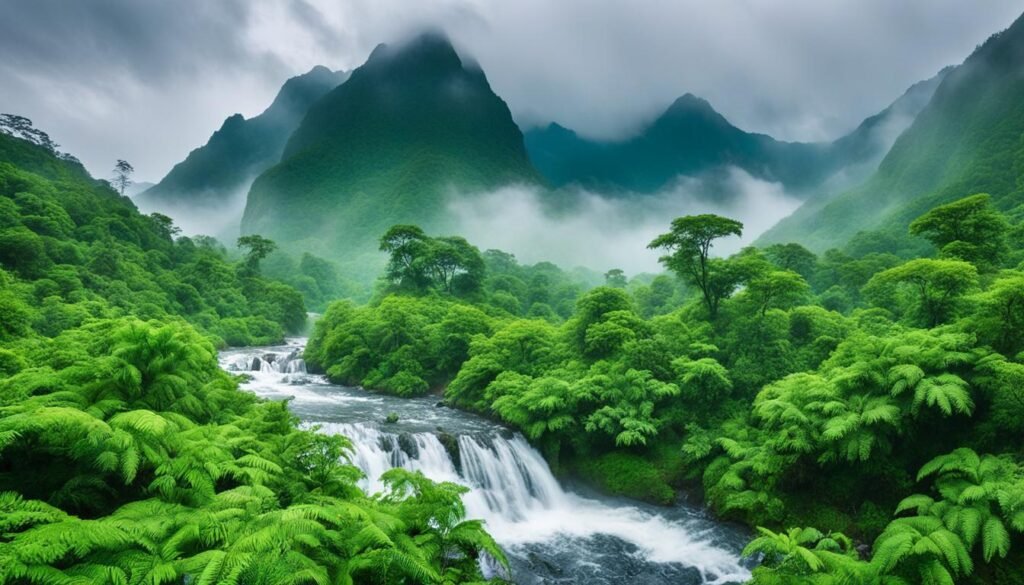
Samoa experiences rainfall throughout the year, with distinct wet and dry seasons. The wet season spans from November to April, while the dry season occurs from May to October. The average yearly rainfall in Samoa is approximately 110 inches, making it a relatively wet climate. Rainfall is spread over approximately 169 days throughout the year, ensuring a lush and green landscape.
During the wet season, precipitation levels are higher, with average monthly rainfall ranging from 10.6 to 16.5 inches. This period corresponds to the tropical cyclone season, and Samoa can experience occasional heavy rainfall and strong winds. It’s important to note that rainfall can vary between the coastal areas and inland regions of Samoa.
In contrast, the dry season still receives a significant amount of precipitation, with an average of 5.2 to 10.1 inches of rainfall per month. Despite being the drier period, the landscape remains lush due to the previous wet season’s rainfall and the tropical climate of Samoa.
To visualize the seasonal rainfall patterns in Samoa, refer to the table below:
| Month | Average Rainfall (inches) |
|---|---|
| November | 12.1 |
| December | 14.5 |
| January | 16.5 |
| February | 15.9 |
| March | 13.4 |
| April | 9.6 |
| May | 6.2 |
| June | 5.2 |
| July | 5.6 |
| August | 5.6 |
| September | 5.4 |
| October | 6.3 |
As you can see from the table, the wet season experiences higher levels of rainfall compared to the dry season. However, even during the dry season, the monthly average rainfall is significant enough to sustain the vibrant vegetation of Samoa.
Witnessing the rainfall in Samoa is an integral part of experiencing the natural beauty and biodiversity of the islands. The lush landscapes, stunning waterfalls, and vibrant flora all thrive, thanks to the regular rainfall that the wet and dry seasons bring.
Daylight and Sunshine Hours in Samoa
Samoa enjoys abundant daylight hours throughout the year, providing plenty of time to soak up the sun and explore the stunning landscapes. On average, Samoa experiences 11 to 13 hours of daylight per day, allowing visitors to make the most of their time on the islands.
The length of the day in Samoa varies throughout the year. The shortest day occurs on June 21, during which there are 11 hours and 19 minutes of daylight. On the other hand, the longest day takes place on December 21, offering 12 hours and 57 minutes of daylight.
For those seeking ample sunshine, the months of July to September offer the most sunshine hours in Samoa. During this period, visitors can enjoy approximately 7 hours of sunshine per day, providing optimal conditions for outdoor activities and capturing breathtaking moments.
Daylight and Sunshine Hours in Samoa
| Month | Daylight Hours |
|---|---|
| January | 11 hours and 52 minutes |
| February | 12 hours and 26 minutes |
| March | 12 hours and 48 minutes |
| April | 12 hours and 57 minutes |
| May | 12 hours and 50 minutes |
| June | 11 hours and 19 minutes |
| July | 11 hours and 26 minutes |
| August | 11 hours and 41 minutes |
| September | 11 hours and 52 minutes |
| October | 12 hours and 11 minutes |
| November | 12 hours and 36 minutes |
| December | 12 hours and 57 minutes |
With such long daylight hours and an abundance of sunshine, Samoa offers a perfect setting for outdoor enthusiasts, beach lovers, and nature seekers to create unforgettable memories.
Cloud Cover in Samoa
When it comes to cloud cover, Samoa experiences significant variations throughout the year. Understanding these patterns can help you plan your visit and make the most of the weather conditions.
The clearer part of the year in Samoa falls between May and October. During this period, you can expect the sky to be clear, mostly clear, or partly cloudy around 59% of the time. August stands out as the clearest month, providing ample opportunities for enjoying sunny days and outdoor activities.
On the other hand, the cloudier part of the year spans from October to May. January takes the lead as the cloudiest month, with the sky being overcast or mostly cloudy approximately 88% of the time. However, despite the cloud cover, Samoa still enjoys plenty of sunny days, especially during the dry season.
So whether you’re planning a trip during the clearer months or the cloudier months, make sure to pack accordingly and prepare for the varying weather conditions. Don’t forget to check the forecast before venturing out to make the most of your time in beautiful Samoa.
Cloud Cover Summary
| Time Period | Cloud Cover |
|---|---|
| May – October | Clear, mostly clear, or partly cloudy 59% of the time |
| November – April | Overcast or mostly cloudy 88% of the time |
Severe Weather Events
Samoa, with its tropical climate, is susceptible to severe weather events, particularly tropical cyclones. These cyclones occur during the cyclone season, which spans from November to April, coinciding with the wet season in Samoa. The months of December, January, and February present the highest risk of cyclone activity.
Over the years, Samoa has experienced devastating cyclones that have caused significant damage to homes, crops, and infrastructure. These severe weather events can disrupt daily life and pose a threat to the safety of both residents and visitors.
Understanding the potential impact of cyclones, Samoa has established emergency procedures and measures to ensure the safety and well-being of its people during such events. These procedures include timely warnings, evacuation plans, and the coordination of relief efforts.
Cyclones in Samoa serve as a reminder of the destructive potential of severe weather. It is essential for residents and visitors alike to stay informed, follow emergency guidelines, and take appropriate precautions during cyclone events.
Conclusion
Samoa’s tropical climate ensures warm and sunny weather throughout the year. With daily highs ranging from 83°F to 89°F, temperatures in Samoa remain consistently warm and comfortable. While snow is not a part of the Samoan climate due to its tropical location, visitors can enjoy pleasant temperatures and explore the beauty of the islands all year round.
The wet season, which occurs from November to April, brings rainfall to the islands, averaging around 110 inches per year. However, even during the wet season, there are still ample opportunities to enjoy outdoor activities, as the rain typically falls in short bursts and clears up quickly. The dry season, from May to October, offers a drier and more comfortable climate for visitors.
Whether you’re looking to lounge on pristine beaches or immerse yourself in the vibrant Samoan culture, the warm tropical climate of Samoa provides the perfect backdrop for an unforgettable vacation. From inviting sea temperatures for swimming and water sports to long daylight hours for exploration, Samoa offers a paradise for nature lovers and adventure seekers alike.
FAQ
Does it snow in Samoa?
No, snow does not occur in Samoa due to its tropical climate.
What is the average temperature in Samoa?
The average high temperatures in Samoa range from 83°F to 89°F. The average low temperatures range from 70°F to 76°F.
What is the sea temperature in Samoa?
The sea temperature in Samoa remains warm all year round, averaging around 83.9°F. During the wet season, it averages around 85°F, while in the dry season, it averages around 82°F.
How much rainfall does Samoa receive?
Samoa receives an average yearly rainfall of around 110 inches. During the wet season, it averages between 10.6 to 16.5 inches per month, while the dry season still receives an average of 5.2 to 10.1 inches of precipitation.
How long are the daylight hours in Samoa?
Daylight hours in Samoa span from 11 to 13 hours per day. The shortest day occurs on June 21, with 11 hours and 19 minutes of daylight, while the longest day occurs on December 21, with 12 hours and 57 minutes of daylight.
What is the cloud cover like in Samoa?
Samoa experiences significant variations in cloud cover throughout the year. The clearest part of the year is from May to October, with August being the clearest month. The cloudier part of the year is from October to May, with January being the cloudiest month.
Does Samoa experience severe weather events?
Yes, Samoa can be affected by tropical cyclones, with the cyclone season occurring from November to April, which aligns with the wet season. The peak months for cyclone risk are December, January, and February.
What is the summary of Samoa’s climate and weather?
Samoa has a tropical climate with warm and sunny weather throughout the year. Although snow does not occur in Samoa, the temperatures remain warm and comfortable. The country experiences rainfall throughout the year, with the wet season from November to April. Samoa enjoys long daylight hours and has varying cloud cover throughout the year. Visitors can expect pleasant temperatures, inviting sea temperatures, and the opportunity to explore the beauty of the islands all year round.
Leave a Reply