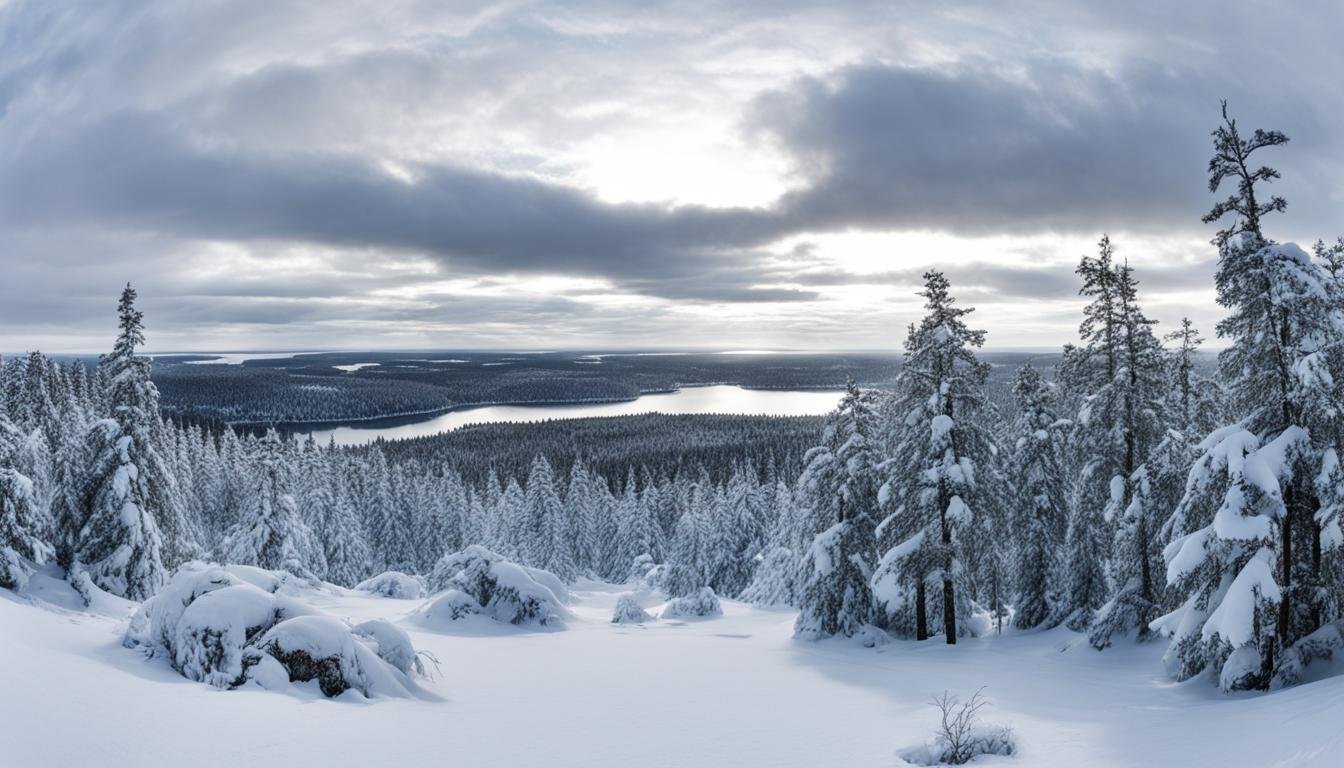
When it comes to winter weather, Sweden is often associated with snow-covered landscapes and picturesque scenes. But does it actually snow in Sweden? Let’s find out!
Key Takeaways:
- Snowfall in Sweden is common during the winter months, but the amount of snow varies by region and time of year.
- In the northern areas, such as Swedish Lapland, snow can start falling as early as October and last until April.
- The central areas, including Stockholm, experience snow from December to February, but the snowfall is less deep and the winter season is shorter.
- Southern Sweden, including cities like Malmö, has milder winters and less frequent snowfall.
- Sweden offers a range of snow activities, from skiing and snowboarding to exploring snow-covered landscapes.
When does it Snow in Sweden?
Snowfall in Sweden typically starts in late October and can continue until early April. In October, the northern regions may see the first snowfall, while the central and southern regions remain mostly snow-free. By December, snow becomes widespread across the country, including cities like Stockholm and Gothenburg. January usually brings substantial snow, especially in the northern regions. In February, the northern areas remain covered in deep snow, while the southern parts experience colder temperatures. March and April bring less frequent snowfall, especially in the south, and signal the end of winter.
Where does it Snow in Sweden?
Snowfall in Sweden is not limited to a specific region; however, certain areas receive more snow than others. Let’s explore the different locations in Sweden where you can experience the magic of snow.
1. Swedish Lapland
Located in the northern part of the country, Swedish Lapland is a winter wonderland with consistent snowfall from October to April. This region offers pristine white landscapes and is home to iconic destinations like Kiruna and Abisko, where you can witness the mesmerizing Northern Lights.
2. Stockholm
The capital city of Sweden, Stockholm, also experiences snow during the winter months. Although the snowfall is not as deep as in Swedish Lapland, the city transforms into a picturesque scenery. Don’t miss the opportunity to visit the Royal Palace and Gamla Stan (Old Town) covered in a blanket of snow.
3. Gothenburg
Gothenburg, located on the west coast of Sweden, sees its fair share of snow during winter. While the snow cover may not be as extensive as in other regions, the city’s charming streets and parks take on a delightful winter ambiance.
4. Malmö
Situated in southern Sweden, Malmö experiences milder winters and less frequent snowfall compared to the northern regions. However, occasional snow showers can still add a touch of magic to this vibrant city. Visit Malmö’s iconic Turning Torso and enjoy the coastal views with a hint of snow.
Regardless of the region, it’s important to note that Swedish cities are well-prepared for snowfall. Snow ploughs and salt are used to keep the main roads clear, ensuring a seamless daily life even during snowy conditions.
| Region | Typical Snowfall |
|---|---|
| Swedish Lapland | October to April (Consistent snowfall) |
| Stockholm | December to February (Lighter snowfall) |
| Gothenburg | December to February (Light snowfall) |
| Malmö | Occasional snow showers |
As you can see from the table, snowfall varies across different regions in Sweden. Whether you’re seeking a winter wonderland experience in Swedish Lapland or a touch of snow in the cities, Sweden has something to offer for everyone.
Why does it Snow in Sweden?

Several factors contribute to the snowfall in Sweden. Let’s take a closer look at the climate and geographical characteristics that make Sweden a snowy wonderland.
Sweden’s geographical location in northern Europe, within the boreal climate zone, sets the stage for long, harsh winters and short, mild summers. This climate provides the ideal conditions for significant snowfall.
The North Atlantic Drift, an extension of the Gulf Stream, plays a crucial role in Sweden’s weather patterns. It brings warmer temperatures to the coastal regions, mitigating some of the cold Arctic air masses. However, once these air masses converge over the country, they contribute to lower temperatures and favorable conditions for snowfall.
Another key factor is the mountain range along Sweden’s border with Norway. This range acts as a barrier, trapping cold air and moisture. As a result, the northern and inland areas experience ample snowfall. Additionally, higher altitudes receive more snow, thanks to the elevation’s impact on weather patterns.
Lastly, Sweden’s latitude plays a significant role in its snowy climate. During winter, the country’s northern location ensures shorter days and long nights. The limited daylight hours allow the ground to remain cold enough for snow to accumulate, contributing to the overall snowfall in Sweden.
Summary:
| Factors Contributing to Snowfall in Sweden |
|---|
| Geographical location in northern Europe |
| Boreal climate zone |
| North Atlantic Drift |
| Arctic air masses |
| Mountain range along Norway border |
| Elevation |
| Sweden’s latitude |
Conclusion
In Sweden, winter brings the magic of snowfall, creating a picturesque landscape and a wonderland of winter activities. From the northern reaches of Swedish Lapland to the central regions and even the milder southern parts, snow can be found throughout the country during the winter months.
The northern areas, such as Swedish Lapland, experience the most consistent and deep snow, making it an absolute paradise for winter sports enthusiasts. Skiing and snowboarding enthusiasts flock to ski resorts like Åre and Sälen, where they can enjoy excellent snow conditions and a wide range of slopes suitable for all skill levels.
In central areas, including the capital city of Stockholm, snow covers the ground, creating a charming and wintery atmosphere. Although the snow cover may not be as deep as in the north, it still offers opportunities for snow activities such as ice skating and snowshoeing.
Even in the milder southern parts of Sweden, occasional snowfall creates a scenic landscape and opportunities for enjoyable experiences, such as building snowmen and having snowball fights. And while the snowfall may be less frequent, it doesn’t diminish the beauty and charm of the winter season.
FAQ
Does it Snow in Sweden?
Yes, it snows in Sweden. However, the amount of snowfall varies depending on the region and time of year.
When does it Snow in Sweden?
Snowfall in Sweden typically starts in late October and can continue until early April. The exact timing and duration of snowfall depend on the region.
Where does it Snow in Sweden?
Snow can occur anywhere in Sweden, but some regions are more prone to snowfall than others. Swedish Lapland, Stockholm, Gothenburg, and other cities experience snow during winter.
Why does it Snow in Sweden?
Several factors contribute to snowfall in Sweden, including its geographical location in northern Europe, climate zone, the North Atlantic Drift, Arctic air masses, the mountain range along the border with Norway, and Sweden’s latitude.
What activities can I do in the snow in Sweden?
Sweden offers various snow activities such as skiing, snowboarding, snowshoeing, ice skating, and dog sledding. Ski resorts like Åre and Sälen provide excellent snow conditions and slopes for all skill levels.
Leave a Reply