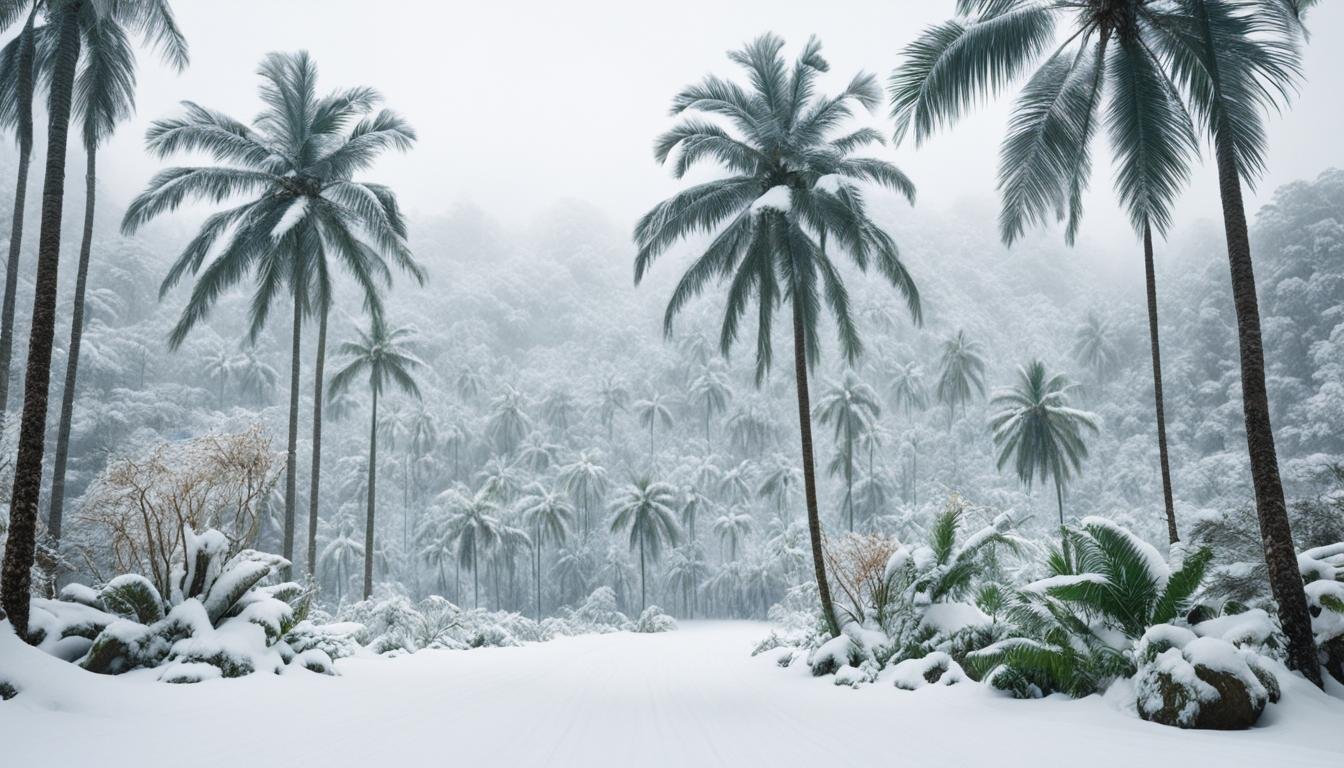
Venezuela is a country known for its tropical climate, but did you know that it also experiences snowfall in certain regions? While most of the country enjoys warm temperatures throughout the year, the mountainous areas offer a completely different weather experience.
In the highest mountain regions, such as the Andes and Pico Bolivar, you can find permanent snow cover above 3,000 meters. The temperatures in these areas can drop to around 8°C (46°F), creating a winter wonderland amidst the tropical landscape. Although there are no ski resorts in Venezuela currently, these snowy peaks provide opportunities for snow enthusiasts.
So, if you’re wondering if it snows in Venezuela, the answer is yes! While the majority of the country basks in a tropical climate, the elevated regions offer a taste of winter and a chance to experience Venezuelan snow.
Key Takeaways:
- Despite its tropical climate, Venezuela does experience snowfall in certain mountainous areas.
- The highest peaks, such as the Andes and Pico Bolivar, have permanent snow cover above 3,000 meters.
- Temperatures in these regions can drop to around 8°C (46°F).
- Venezuela currently does not have any ski resorts, but the snowy mountains offer opportunities for snow enthusiasts.
- Venezuela’s diverse climate and geography make it a unique destination that provides varied weather conditions throughout the year.
Climate Zones in Venezuela
Venezuela’s climate can be categorized into different zones based on altitude. The country’s diverse geography, which includes coastal areas, savannahs, temperate zones, and mountainous regions, results in varied weather conditions throughout the year.
Coastal Areas
The coastal areas of Venezuela have a hot and rainy climate that persists throughout the year. Cities like Barcelona experience average temperatures ranging from 23-26°C (73-79°F) and receive an annual rainfall of 650 millimeters. The warm and humid weather makes it an ideal destination for sun-seeking tourists.
Savannah Areas
The savannah areas of Venezuela have a distinctive wet and dry season. Cities like San Fernando experience temperatures ranging from 29-36°C (84-97°F) during the dry season and receive an annual rainfall of 1,500 millimeters. These areas showcase the country’s natural beauty with vast grasslands and unique wildlife.
Temperate Zone
The temperate zone of Venezuela, which includes cities like Caracas, offers milder temperatures compared to the coastal and savannah regions. The average temperatures here range from 12-25°C (53.6-77°F). This zone experiences the most rainfall in July, August, and October, providing a refreshing break from the summer heat.
Mountainous Zones
The mountainous zones of Venezuela, including the Andes and Pico Bolivar, offer a stark contrast to the coastal and savannah climates. With colder temperatures ranging from 8-12°C (46-53.6°F), these regions experience permanent snow cover above 3,000 meters. These snowy regions attract adventure enthusiasts and nature lovers, offering breathtaking views and exhilarating outdoor activities.
Rainy and Dry Seasons in Venezuela
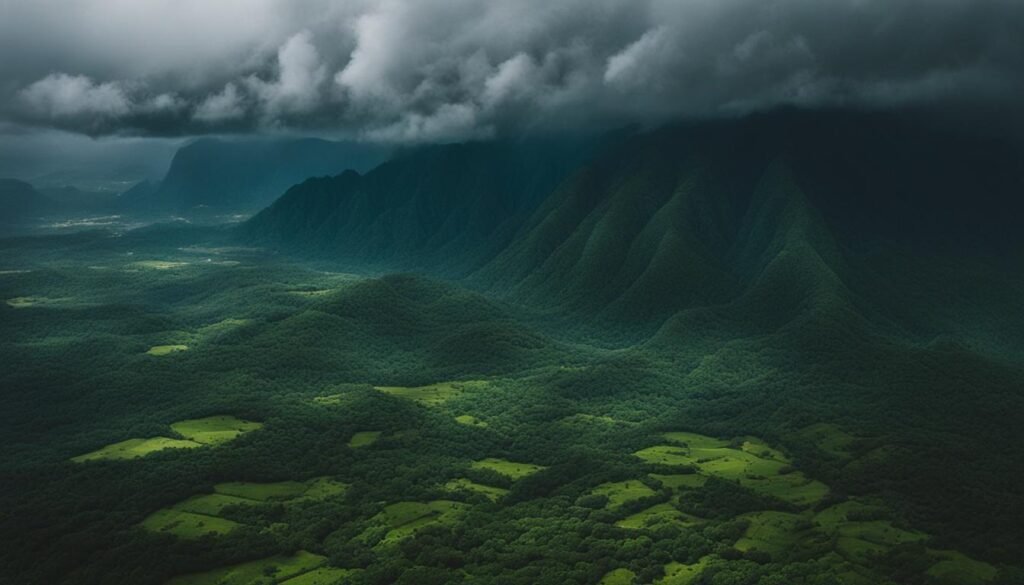
Venezuela experiences two distinct seasons: the rainy season and the dry season. These seasons play a significant role in shaping the country’s weather patterns and climate.
The Venezuelan Rainy Season
The rainy season in Venezuela, often referred to as the winter season, lasts from May to December. During this period, the country receives heavy rainfall, primarily occurring during the night or in short bursts in the afternoon. The Venezuelan rainy season is characterized by lush greenery, blooming flowers, and vibrant landscapes.
The Venezuelan Dry Season
The dry season, also known as the summer season, lasts from January to April. This period experiences significantly less rainfall compared to the rainy season. The dry season in Venezuela brings less humidity and a bright, sunny atmosphere, making it a popular time for outdoor activities and beach visits.
Venezuela’s weather is more influenced by rainfall patterns than temperature variations, mainly due to its location near the equator. The country’s tropical climate, combined with its diverse geography, results in different weather conditions throughout the year.
Despite having a tropical climate, Venezuela’s seasons provide varying experiences for both residents and tourists. Whether you prefer the lush greenery and refreshing rains of the rainy season or the dry, sunny days of the dry season, there’s something for everyone to enjoy in Venezuela.
Stay tuned for the next section, where we’ll explore the diverse temperature regimes found in Venezuela.
Temperature Regimes in Venezuela

Venezuela’s temperature regimes vary based on location and elevation. The coastal cities, such as Maracaibo and Barcelona, can experience extremely hot temperatures, with some areas reaching above 38°C (100°F). In contrast, cities located in valleys, like Mérida and Caracas, have cooler climates, with average temperatures ranging from 11-25°C (52-77°F). The highest towns, like Mucuchies and Apartaderos, have cold (tundra) climates, with temperatures dropping below -2°C (28°F).
The overall temperature ranges in Venezuela differ based on the geographical region, with the coastal range and the Guiana Highlands averaging from 11-25°C (52-77°F), and the Llanos experiencing temperatures over 23°C (73°F). The variations in temperature contribute to the diverse climate types found in Venezuela, ranging from tropical savanna to temperate highland climates.
| Geographical Region | Average Temperature Range (°C) |
|---|---|
| Coastal Range and Guiana Highlands | 11-25°C (52-77°F) |
| Llanos | Over 23°C (73°F) |
Conclusion
Despite being a tropical country, Venezuela showcases its unique climate by experiencing snowfall in certain mountainous areas. The diverse geography of the country contributes to varying weather conditions throughout the year, allowing visitors to enjoy both warm coastal regions and cooler mountain peaks.
Coastal areas in Venezuela have hot and rainy climates, while savannah areas experience distinct wet and dry seasons. In contrast, temperate zones offer milder temperatures, and mountainous zones provide colder temperatures and even permanent snow cover above 3,000 meters. Although Venezuela does not currently have a ski resort, its highest mountains, such as the Andes and Pico Bolivar, present opportunities for snow enthusiasts to indulge in winter activities.
With its tropical savannas, temperate highlands, and snowy peaks, Venezuela offers a truly unique climate experience. Whether you prefer basking in the warm sun of the coast or exploring the snowy wonders of the mountains, Venezuela’s diverse climate and geographic features make it a remarkable destination for all nature lovers. Discover the marvels of winter weather in Venezuela and embrace the incredible Venezuelan climate facts for an unforgettable adventure.
FAQ
Does it snow in Venezuela?
Yes, it can snow in certain mountainous areas of Venezuela.
Which regions of Venezuela experience snowfall?
The highest mountains in Venezuela, such as the Andes and Pico Bolivar, have permanent snow cover above 3,000 meters.
Are there any ski resorts in Venezuela?
Currently, there are no ski resorts in Venezuela. However, the highest mountains offer opportunities for snow enthusiasts.
What are the climate zones in Venezuela?
Venezuela has coastal areas with a hot and rainy climate, savannah areas with distinct wet and dry seasons, temperate zones with milder temperatures, and mountainous zones with colder temperatures and permanent snow cover above 3,000 meters.
When does the rainy season occur in Venezuela?
The rainy season in Venezuela, often referred to as winter, runs from May to December.
When does the dry season occur in Venezuela?
The dry season, or summer, lasts from January to April in Venezuela.
How does the temperature vary across Venezuela?
The coastal cities in Venezuela can experience extremely hot temperatures, while cities located in valleys have cooler climates. The highest towns have cold (tundra) climates. The overall temperature ranges in Venezuela differ based on the geographical region.
Does Venezuela have a tropical climate?
Yes, Venezuela has a tropical climate due to its location near the equator.
Is Venezuela’s weather influenced more by temperature or rainfall?
Venezuela’s weather is influenced more by rainfall patterns than temperature variations.
What makes Venezuela’s climate unique?
The diverse climate and geographic features of Venezuela make it a unique destination with varied weather conditions throughout the year.
Leave a Reply