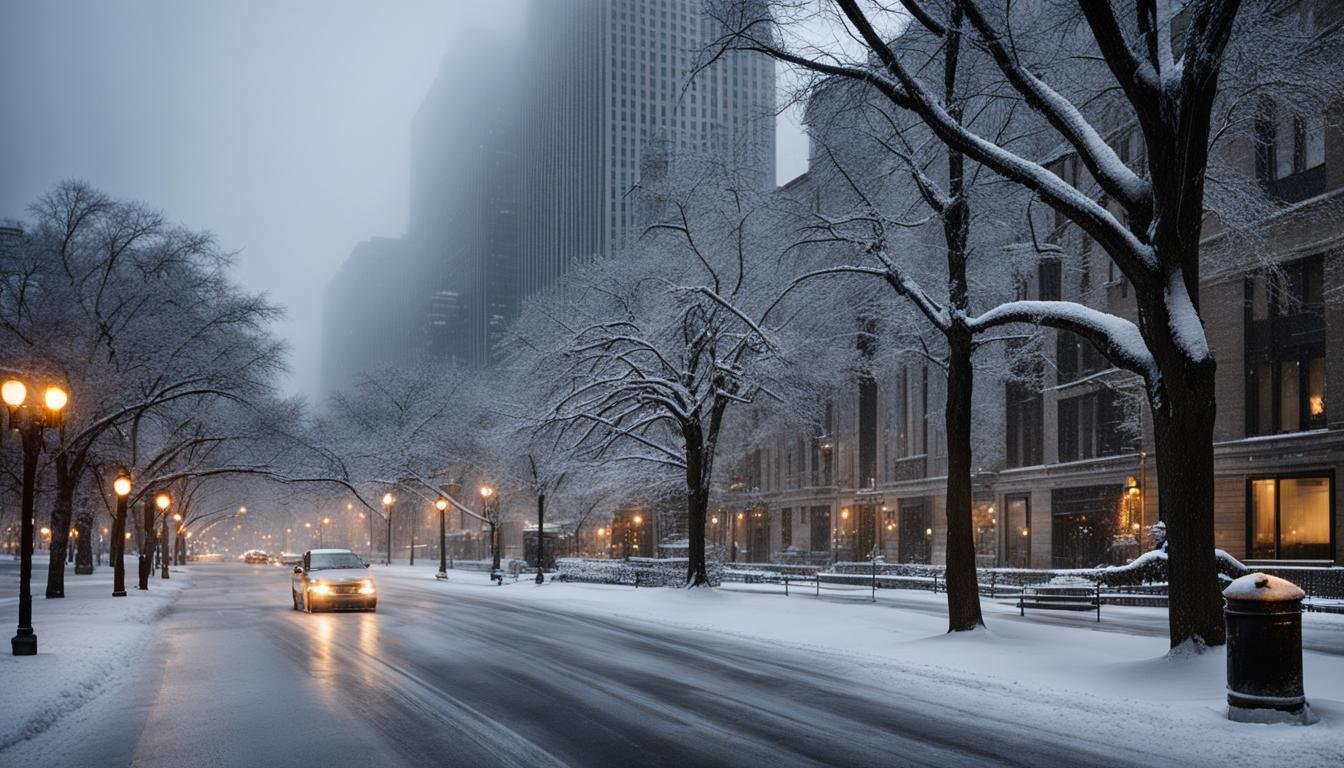
Chicago, known for its harsh winters, is a city where snowfall is a common occurrence during the winter season. The question, “Does it snow in Chicago?” is often asked by locals and visitors alike, curious about what to expect in terms of winter weather.
Key Takeaways:
- Chicago experiences snowfall during the winter season.
- The average snowfall in Chicago is about 38 inches (96.5 cm) per year.
- Snowfall in Chicago can vary greatly from year to year.
- The snowfall season in Chicago usually starts in late October and ends in mid-April.
- Climate change is affecting snowfall patterns in Chicago, leading to a decrease in snowfall over time.
Average Snowfall in Chicago
When it comes to snowfall, Chicago experiences its fair share during the winter season. On average, the city receives about 38 inches (96.5 cm) of snow each winter. However, the actual amount of snowfall can vary significantly from year to year, providing Chicagoans with both mild and heavy winters.
Looking at the historical data, we see that the lowest recorded snowfall in Chicago was as little as 9.8 inches (24.9 cm), while the highest reached a whopping 89.7 inches (227.8 cm). These extremes highlight the unpredictable nature of Chicago snowstorms, keeping residents on their toes.
On a typical winter season, Chicago experiences around 11 to 12 days with at least 1 inch (2.5 cm) of snow. Additionally, snowfalls of 5 inches (12.7 cm) or more occur about 1 to 2 times per winter. However, major snowstorms, defined as those with 10 inches (25 cm) or more of snow, are infrequent, happening only about once every decade.
Summary of Chicago Snowfall
| Average Snowfall (inches) | Lowest Recorded Snowfall (inches) | Highest Recorded Snowfall (inches) | |
|---|---|---|---|
| Annual Average | 38 | 9.8 | 89.7 |
| Days with at least 1 inch of snow | 11-12 | – | – |
| Snowfalls of 5 inches or more | 1-2 per winter | – | – |
| Major snowstorms (10 inches or more) | Once per decade | – | – |
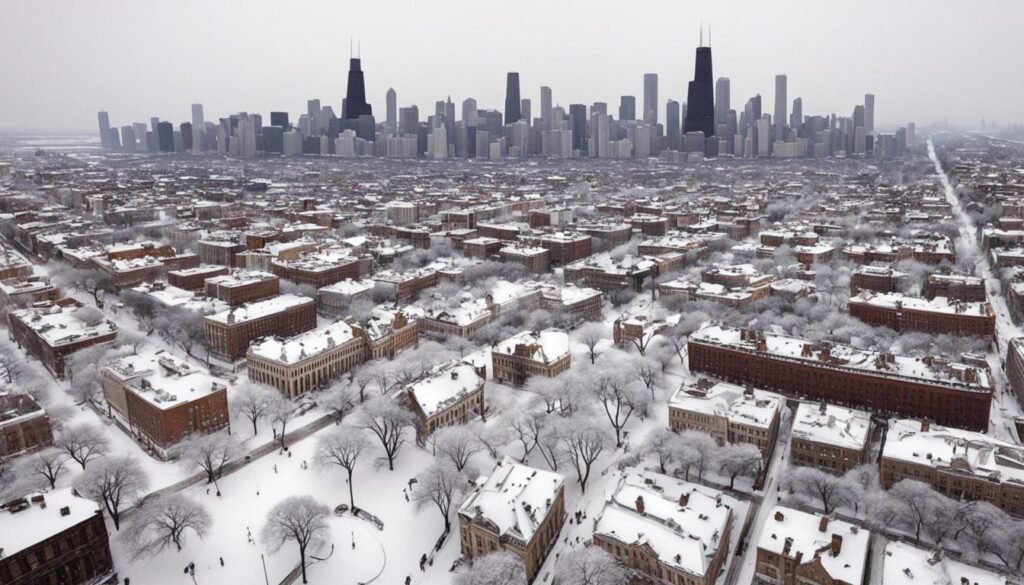
As you can see from the data and the captivating aerial view of Chicago covered in snow, the city experiences a range of snowfall each winter. From lighter accumulations to significant snowstorms, each season presents its own unique winter wonderland.
Snowfall Timeline in Chicago
Curious about when the snow falls in Chicago? Let’s take a look at the snowfall timeline throughout the winter season in the Windy City.
October to December
In October, the first trace of snow usually appears towards the end of the month. However, it can occur as early as September 25th or as late as December 5th. So, keep an eye out for those early snowflakes!
As we move into November, snowfall becomes more frequent, usually happening on 1-2 days throughout the month. It’s a gentle introduction to the winter wonderland.
Once December arrives, the snow becomes more abundant. You can expect around 6 snowy days during the month, blanketing the city in a beautiful white layer.
January to March
January is the month when snow truly takes center stage in Chicago. You can anticipate 8-9 days of snowfall during this month, transforming the city into a picturesque winter landscape.
In February, the snowy days continue, albeit slightly less frequent. On average, you can enjoy about 6-7 days of snowfall, adding to the chilly charm of the season.
As winter approaches its end in March, the snowfall becomes less frequent, typically occurring around 4 days during the month. The transition to spring is not far behind.
April: The Final Touch
By April, the winter snow season comes to a close. However, Chicago bids farewell to winter with a gentle reminder of its presence. On average, the city sees about 1-2 inches of snow before the snowflakes finally retire for the year.
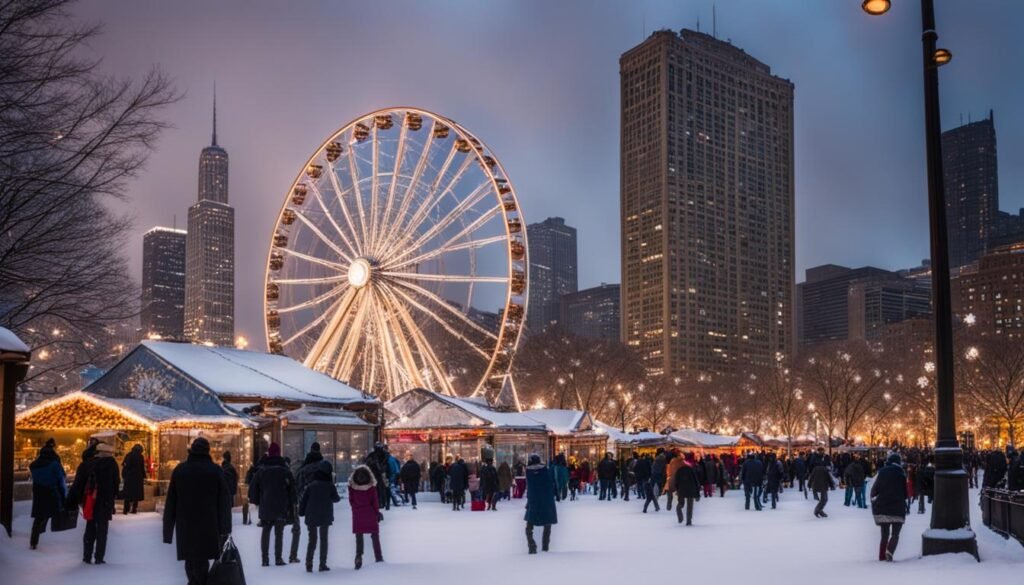
Capturing the essence of winter, this image showcases the snowy charm that blankets the city of Chicago during the snow season.
| Month | Average Snowfall | Snowfall Duration |
|---|---|---|
| October | Trace | End of October |
| November | 1-2 days | Throughout the month |
| December | 6 days | Throughout the month |
| January | 8-9 days | Throughout the month |
| February | 6-7 days | Throughout the month |
| March | 4 days | Throughout the month |
| April | 1-2 inches | Early April |
Table: Snowfall timeline in Chicago, showcasing the average snowfall and duration for each month during the winter season.
Recent Snowfall Trends in Chicago
The recent winter season in Chicago has seen a decrease in snowfall compared to the historical average. One year saw only 16.8 inches of snow, well below the 30-year average of 29.6 inches. This trend can be attributed to a weather pattern that brings warmer air and rain to the region instead of snow. Climate change is also playing a role in reducing snowfall, with the city experiencing abnormally snow-free winters.
This decrease in snowfall has significant implications for Chicago’s winter weather and overall climate. The city’s residents and businesses are adapting to these changes by modifying their snow removal and winter maintenance practices.
The Impact of Decreased Snowfall
The decrease in snowfall can have several effects on the city and its residents:
- Reduced need for snow removal equipment and resources
- Lower costs for snow removal services
- Decreased likelihood of winter-related accidents and injuries
- Less disruption to transportation and daily activities
- Changes in wildlife behavior and natural ecosystems
While some may welcome milder winters with less snow, others are concerned about the long-term implications of these changes. The decrease in snowfall may impact the city’s water supply, as snowmelt contributes to the replenishment of local rivers and reservoirs.
Adapting to Changing Snowfall Patterns
As Chicago experiences fewer snowfalls, the city’s winter preparedness plans are evolving. The focus is shifting from heavy snow removal to increased readiness for rain events and extreme weather. Chicago’s Department of Streets and Sanitation is investing in improved drainage systems and flood prevention measures to mitigate the effects of increased rainfall.
Additionally, residents are encouraged to take personal action to adapt to these changing snowfall patterns:
- Stay informed about weather forecasts to prepare for rain and extreme weather events
- Keep gutters, downspouts, and drains clear to prevent flooding
- Use water-efficient practices to conserve resources in times of reduced snowmelt
- Support local initiatives for climate change mitigation and adaptation
By taking proactive steps and embracing sustainable practices, Chicago can navigate the challenges posed by reduced snowfall and climate change.
Impact of Snowfall on Chicago
Snowfall in Chicago has a significant impact on the city and its residents. The winter weather conditions can disrupt transportation systems and lead to delays and cancellations of flights, trains, and buses. Traveling during snowstorms becomes challenging, and it’s important for residents to stay informed about any changes or disruptions to their daily commute.
In addition to transportation, snowfall also requires extensive clearing efforts. Snow needs to be removed from roads, sidewalks, and parking lots to ensure safe passage for pedestrians and vehicles. This clearing process can be time-consuming and costly for the city, as well as for businesses and homeowners who are responsible for maintaining their own properties.
Furthermore, snow can create hazardous conditions, increasing the risk of accidents and injuries. Slippery roads and sidewalks pose a significant danger, and drivers and pedestrians must exercise caution when navigating through snow-covered areas. It’s crucial for residents to take necessary precautions and use appropriate winter gear to prevent accidents.
The impact of snowfall on Chicago is not limited to inconvenience and safety concerns. The city’s winter maintenance and snow removal crews play a vital role in keeping the city functioning during snowy periods. Their efforts help to ensure that essential services, such as emergency response and public transportation, can continue to operate effectively despite the challenging weather conditions.
Winter Weather Preparedness Tips
- Dress warmly and layer clothing to stay insulated against the cold temperatures.
- Keep an emergency kit in your car, including blankets, a flashlight, and a shovel.
- Stay informed about weather updates and potential transportation disruptions.
- Use caution when walking or driving in snowy or icy conditions.
- Clear snow from your sidewalks and driveways to maintain safe passage for yourself and others.
By staying prepared and informed, residents can navigate through the impact of snowfall on Chicago more safely and efficiently, ensuring the city continues to function even during the harshest winter weather conditions.
Climate Change and Snow in Chicago
In recent years, climate change has begun to impact the winter weather patterns in Chicago. The city’s infamous snowfalls and chilly winters are gradually changing due to the effects of global warming. As temperatures rise and moisture content increases in the atmosphere, there has been a noticeable decrease in snowfall and an increase in rain events during the winter season.
The trend of reduced snowfall is expected to continue, resulting in a shift towards a more snow-free winter in Chicago. This change in climate has far-reaching implications for the city and its residents. Winters in Chicago are now warming faster than summers, and although there may still be years with record snowfall, the overall likelihood of snow is decreasing.
It is essential to remember that climate change is a complex issue with various contributing factors. While some may argue that a lack of snow in Chicago may be seen as positive, it is important to consider the broader implications of these changing weather patterns. The impact of climate change extends beyond snowfall; it affects ecosystems, water resources, and the overall health of the planet.
As we navigate the consequences of climate change, it becomes crucial to initiate sustainable practices and explore ways to mitigate its effects. From reducing greenhouse gas emissions to promoting renewable energy sources, every effort counts in combating climate change and preserving the unique winter experiences in cities like Chicago.
By adapting and preparing for the evolving climate, Chicago can strive for a more resilient future while still cherishing the occasional snowfall that brings joy and wonder to its streets.
| Winter Weather Patterns in Chicago | Effect of Climate Change |
|---|---|
| Decreased snowfall | Warmer air and increased moisture content in the atmosphere |
| More frequent rain events | Shift towards a more snow-free winter |
| Warming winters | Reduced likelihood of snowfall |
Historical Snowstorms in Chicago
Chicago has a rich history of experiencing significant snowstorms throughout the years. These snowstorms have left a lasting impact on the city, with their record-breaking snowfall totals and the disruptions they caused to daily life. One particular winter that stands out is the 1978-79 season, which brought about an unforgettable snowstorm in Chicago.
During the winter of 1978-79, Chicago experienced a historic snowfall that set a record for the highest amount of snow in the city’s history. The snowfall reached an astounding 89.7 inches (227.8 cm), leaving residents and officials astounded by the sheer volume of snow. This remarkable winter weather event remains etched in the memories of those who lived through it.
Snowstorms of this magnitude create significant challenges for the city. School closures become a necessity to ensure the safety of students and faculty. Traffic congestion becomes a common occurrence as road conditions deteriorate, making travel difficult. The city’s infrastructure takes a toll, with plows working tirelessly to clear the streets and sidewalks. These snowstorms truly test the resilience of the city and its residents.
Despite their rarity, snowstorms hold a significant place in Chicago’s winter weather history. They serve as a reminder of the unpredictable nature of the city’s climate and the importance of preparing for severe winter weather conditions.
| Winter Season | Snowfall (inches) |
|---|---|
| 1978-79 | 89.7 |
| Year 1 | Snowfall 1 |
| Year 2 | Snowfall 2 |
| Year 3 | Snowfall 3 |
Despite the challenges they bring, snowstorms are an integral part of Chicago’s winter weather narrative. They shape the city’s identity and remind its residents of the strength and resilience necessary to endure the harsh winters. The historical snowstorms serve as a testament to the city’s ability to come together and overcome the challenges presented by severe weather conditions.
Conclusion
In conclusion, Chicago does experience snowfall during the winter season, making it a city known for its snowy winters. On average, Chicago receives about 38 inches (96.5 cm) of snow each year. However, it’s important to note that snowfall can vary significantly from year to year, with some years experiencing less snow than others.
Recent trends show a decrease in snowfall compared to historical averages, which can be attributed to various factors, including climate change. The impact of climate change is leading to warmer air and increased moisture content, resulting in a decrease in snowfall and more frequent rain events.
While Chicago’s harsh winters and snow-covered landscape are part of its charm, it’s essential to recognize that the frequency and amount of snowfall may change in the future due to changing climate patterns. As we continue to monitor and understand these changes, it’s important to adapt and prepare for the potential shifts in Chicago’s winter weather.
FAQ
Does it snow in Chicago?
Yes, Chicago does experience snowfall during the winter season.
What is the average snowfall in Chicago?
On average, Chicago receives about 38 inches (96.5 cm) of snow each winter.
What is the snowfall timeline in Chicago?
The first trace of snow in Chicago typically arrives around the end of October, and the last occurrence of snow usually happens around April 14th.
What are the recent snowfall trends in Chicago?
Recent winters in Chicago have seen a decrease in snowfall compared to the historical average.
What is the impact of snowfall on Chicago?
Snowfall affects transportation, requires clearing from roads and sidewalks, and can create hazardous conditions.
How does climate change affect snow in Chicago?
Climate change is reducing snowfall in Chicago, leading to more rain events and a decrease in overall snowfall.
Have there been any historical snowstorms in Chicago?
Yes, Chicago has experienced several significant snowstorms in its history, including a record-high snowfall of 89.7 inches (227.8 cm) during the 1978-79 season.
What is the conclusion?
Chicago does experience snowfall, with an average of about 38 inches (96.5 cm) of snow each year. However, snowfall can vary, and recent trends show a decrease in snowfall compared to historical averages. Climate change is also playing a role in reducing snowfall in the city.
Leave a Reply